As spring settles into Massachusetts, so does something less welcome—tick season. And in 2026, early indicators suggest homeowners may be dealing with higher-than-average tick activity across the region.
From wooded suburbs to neighborhood backyards, ticks are becoming more prevalent—and more of a concern. Understanding why this is happening, where ticks live, and how to protect your property can make a significant difference in keeping your family and pets safe this season.
Why Are Tick Populations High in Massachusetts This Year?
If it feels like ticks are worse than usual, you’re not imagining it.
Several environmental factors are contributing to increased tick activity across Massachusetts in 2026:
- Higher moisture levels create ideal conditions for tick development
- Abundant wildlife hosts like deer and mice help ticks reproduce and spread
Ticks don’t die off in large numbers unless we have prolonged cold, dry conditions. When winters are milder and springs are damp, populations tend to surge.
Common Ticks Found in Massachusetts
Massachusetts is home to several tick species, each with its own risks: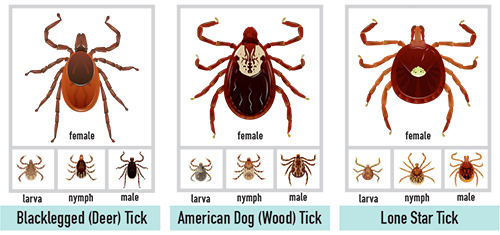
- Blacklegged Tick (Deer Tick)
The most well-known species, responsible for transmitting Lyme disease, as well as anaplasmosis and babesiosis. - American Dog Tick
Larger and easier to spot, this tick can transmit Rocky Mountain spotted fever. - Lone Star Tick
A newer and growing concern in the Northeast, but currently concentrated on the Cape and Islands. Identifiable by the white dot on the female’s back, this tick has been linked to alpha-gal syndrome, a condition that can cause allergic reactions to red meat.
As the range of ticks expands in New England, awareness is becoming increasingly important.
Where Do Ticks Live in Your Yard?
Ticks don’t typically live in the middle of your lawn—they thrive in protected, shaded, and moist environments.
Common tick “hot spots” around Massachusetts homes include:
- Edges of wooded areas
- Leaf litter and brush piles
- Tall grass and overgrown areas
- Ornamental beds and groundcover
- Stone walls and fence lines
- Areas frequented by wildlife
If your property borders woods or has dense landscaping, your risk is naturally higher—but even well-maintained yards can harbor ticks along the edges.
When Are Ticks Most Active in Massachusetts?
Ticks become active as soon as temperatures consistently reach the mid-40s, which can happen earlier than many homeowners expect.
Peak activity typically occurs:
- Early Spring: Nymphs begin feeding (very small and hard to detect)
- Late Spring to Summer: Increased human and pet exposure
- Fall: Adult ticks remain active until the first hard frost
This extended activity window is why early-season tick control is so important.
How to Reduce Tick Activity on Your Property
There are steps homeowners can take to help reduce tick pressure:
Simple Prevention Tips
- Keep grass mowed regularly
- Remove leaf litter and yard debris
- Trim back overgrown shrubs and edges
- Create separation between wooded areas and lawn
- Discourage wildlife where possible
While these steps help, they don’t eliminate ticks entirely—especially in high-pressure areas.
 Why Professional Tick Control Makes a Difference
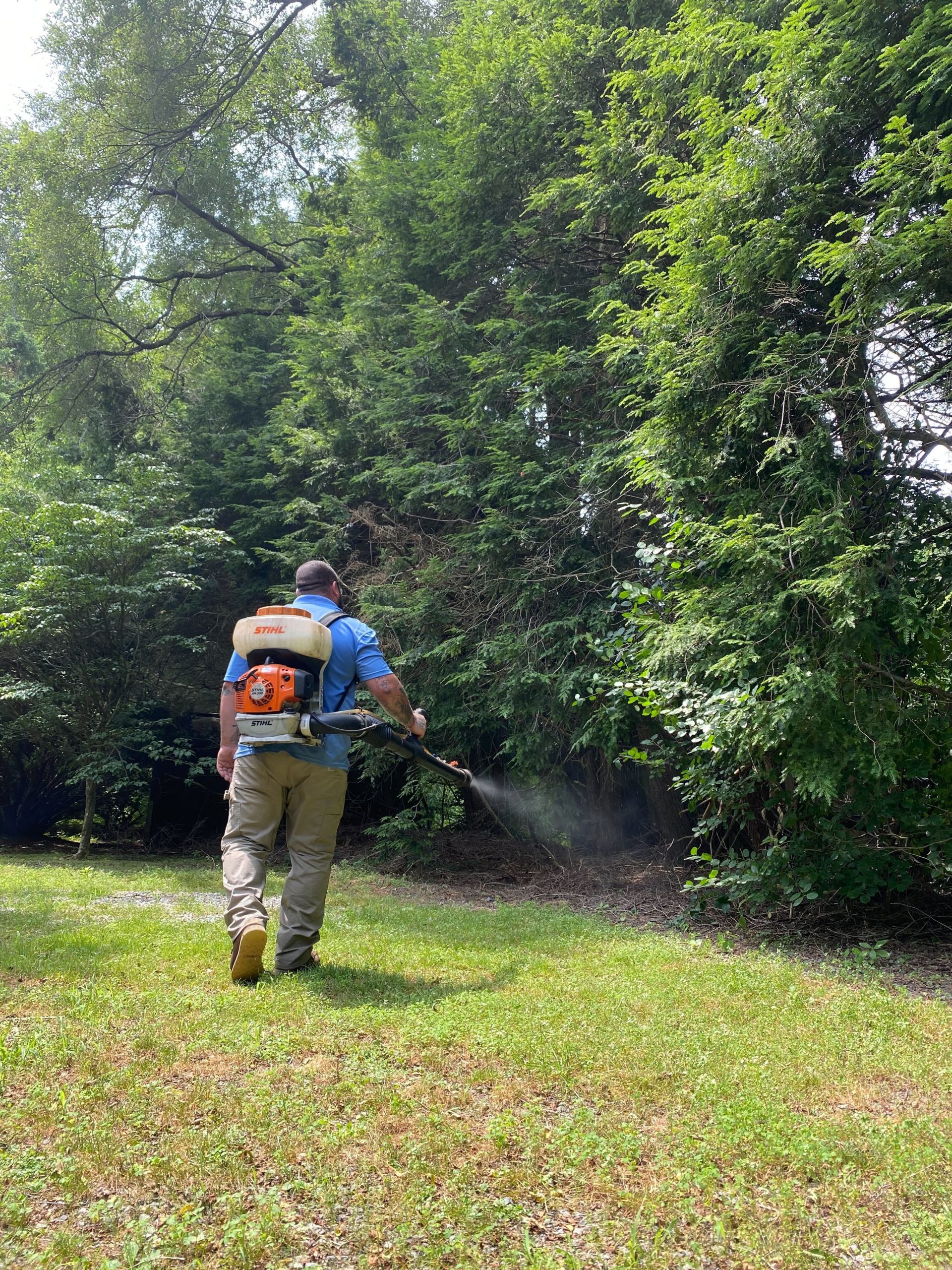
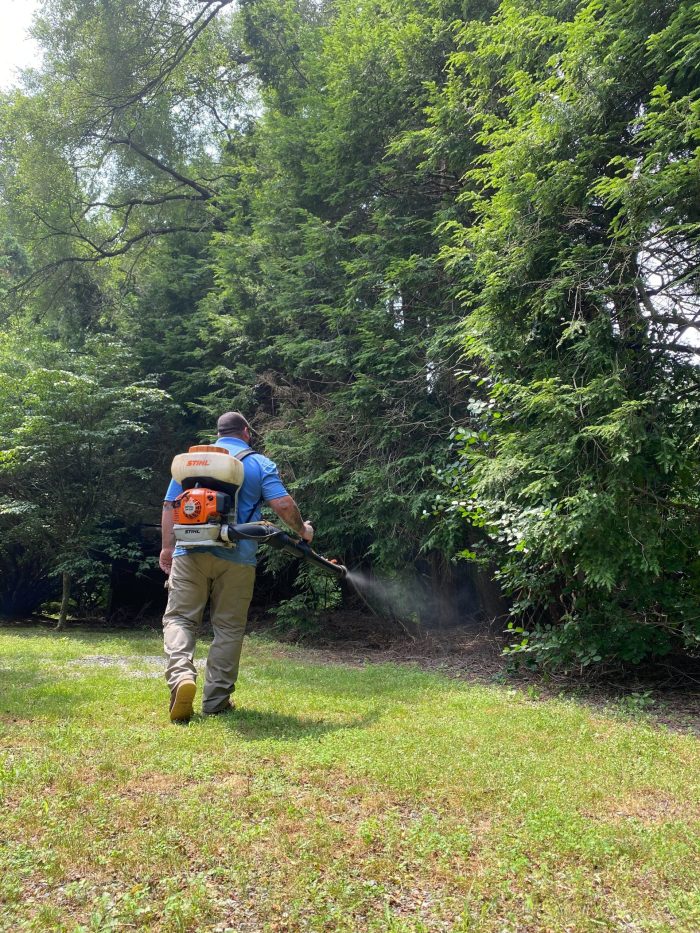
Professional tick control programs are designed to target ticks where they live and breed, not just where they’re seen.
At Natural Tree & Lawn Care, treatments focus on:
- Property perimeters
- Shaded landscaping areas
- Wood lines and high-risk zones
This targeted approach helps significantly reduce tick populations over time, creating a safer outdoor environment for your family and pets.
Frequently Asked Questions About Tick Control in Massachusetts
- Are ticks really that bad in Massachusetts right now? Yes. Early reports and environmental conditions indicate that tick populations are elevated in 2026, especially following a mild winter.
- What time of year should I start tick control? Tick control should begin in early spring—as soon as ticks become active—typically March through April in Massachusetts.
- Can I eliminate ticks completely from my yard? It’s not realistic to eliminate ticks entirely, especially in wooded areas. However, professional treatments can significantly reduce populations and risk.
- Do ticks only live in wooded areas? No. While woods are a primary habitat, ticks are commonly found along lawn edges, landscaping, and shaded areas of residential properties.
Stay Ahead of Tick Season in Massachusetts
Tick activity isn’t just a nuisance—it’s a real health concern for families and pets across Massachusetts. With populations expected to be higher this year, taking a proactive approach can make all the difference.
If you’re already noticing ticks—or simply want peace of mind before they become a bigger problem—now is the time to act.
Protect Your Yard This Season
Natural Tree & Lawn Care offers targeted tick control programs designed specifically for Massachusetts properties. Contact us today at 781-297-3674 to schedule your first treatment and take back your yard this season.